Galley Common Infant School
History
Aims and objectives
The aim of history teaching at Galley Common School is to stimulate the children’s interest and understanding about the life of people who lived in the past and significant events that have affected society. We teach children a sense of chronology, and through this they begin to develop a sense of identity and cultural understanding. By considering how people lived in the past, they are better able to make their own life choices today. In our school history contributes to citizenship education by teaching about influential historical figures. We teach children to understand how events in the past have influenced our lives today; we also teach them to investigate these past events and, by so doing, to begin to develop the skills of enquiry, interpretation and communication.
Within Foundation Stage we aim to ensure that all children:
- Comment on images of familiar situations in the past.
- Compare and contrast characters from stories, including figures from the past.
- ELG- Understanding the world/past and present:
- Talk about the lives of people around them and their roles in society.
- Know the similarities and differences between things in the past and now, drawing on their own experiences and what has been read in class.
The Key Stage 1 National Curriculum for History aims to ensure that all children:
- Develop an awareness of the past, using common words and phrases relating to the passing of time.
- Know where the people and events they study fit within a chronological framework and identify similarities and differences between ways of life in different periods.
- Use a wide vocabulary of everyday historical terms.
- Ask and answer questions, choosing and using parts of stories and other sources to show that they know and understand key features of events.
- Understand some of the ways in which we find out about the past and identify different ways in which it is represented.
Teaching and learning style
History teaching focuses on enabling children to think as historians. We aim to increase the children’s awareness of history in their local environment. The children learn about Galley Common in the past, including coal mining, the ribbon factory and the school itself. We encourage visitors to come into the school and talk about their experiences of events in the past. We examine historical artefacts, primary and secondary sources.
We also aim to give children the opportunity to visit sites of historical significance. We recognise and value the importance of stories in history teaching, and we regard this as an important way of stimulating interest in the past. We plan speaking and listening activities into history units where appropriate, such as drama activities and role-play, for example, acting out scenes about Edith Cavell setting up and using role-play areas for homes in the past. Through such a variety of approaches, we aim to stimulate interest and cater for the range of learning styles. We help children to understand that historical events can be interpreted in different ways and that they should always ask searching questions, such as ‘how do we know?’ about information they are given.
We aim to ensure that learning opportunities are suitable for all children to access. This may include setting open-ended tasks, grouping children in different ways, providing a variety of resources and using adult support.
Learning about the life of Victorians
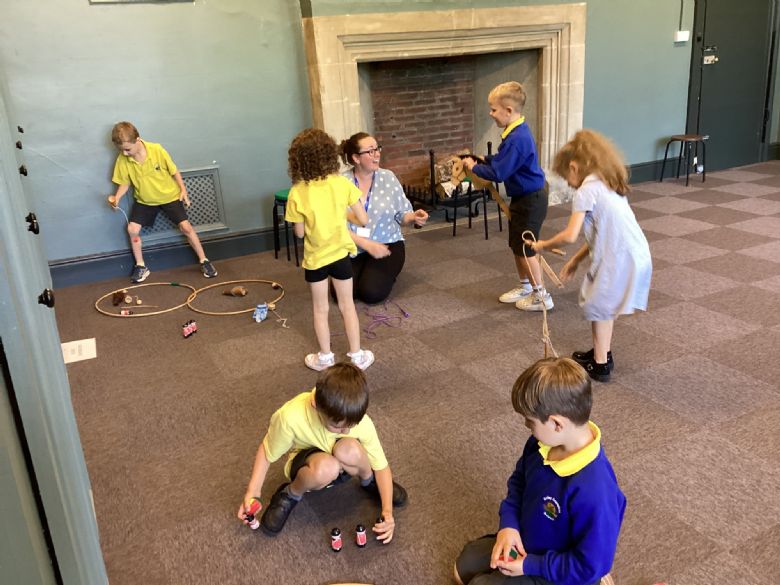
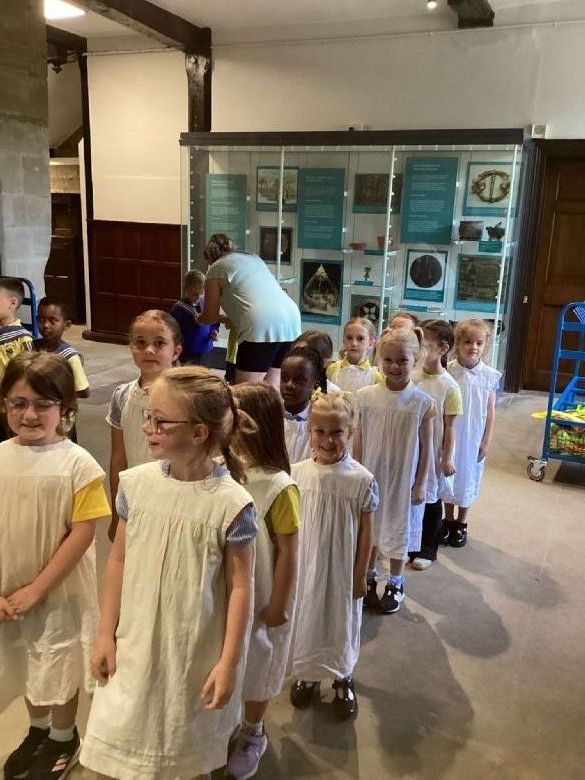
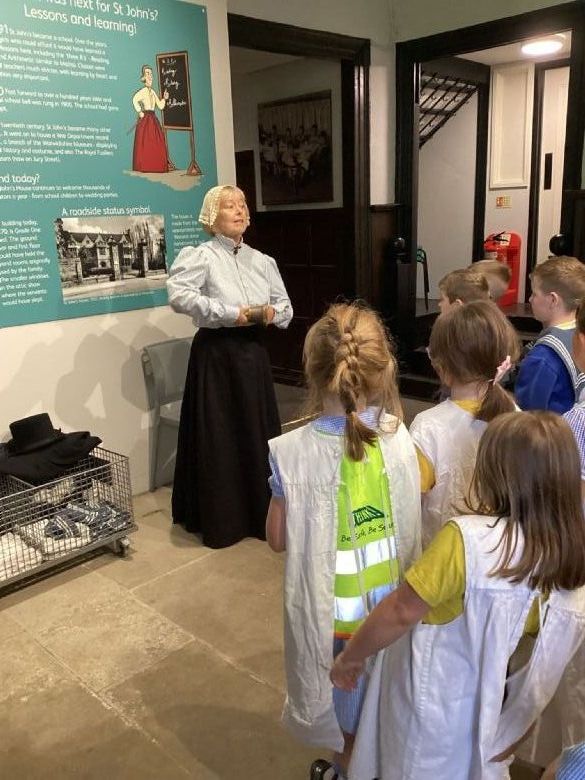
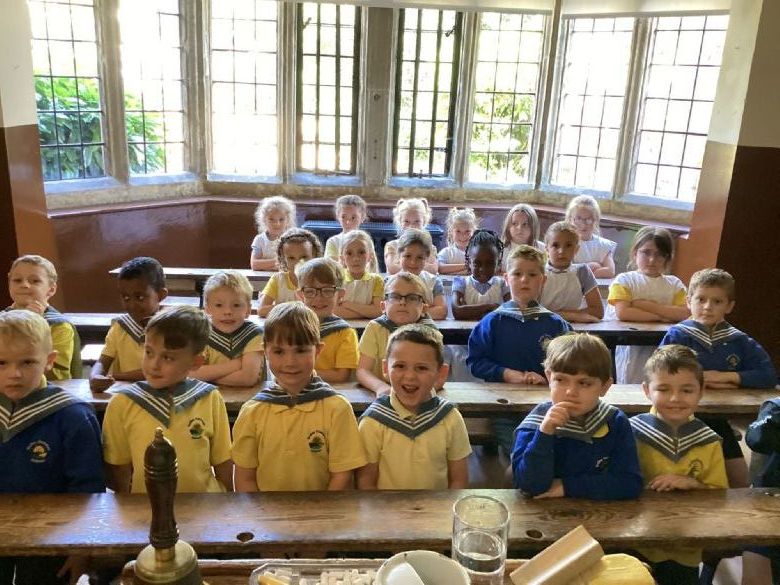
Year 1 spent the day experiencing what it would be like to be a child during the Victorian times. We visited St Johns House to experience a Victorian school day. The children dressed up to attend a lesson in the Victorian classroom. During the day, the children also got to play with Victorian toys and experience Victorian games, learning about what it would have been like to be a child in the past.
What a great day we had!
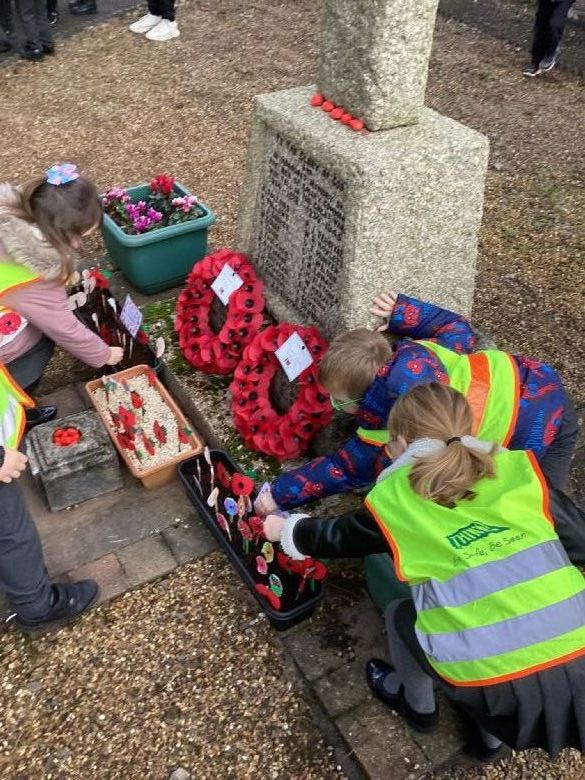
Remembrance Day
In our history week, we took part in remembrance day with a service at the local church.
The First Moon Landing
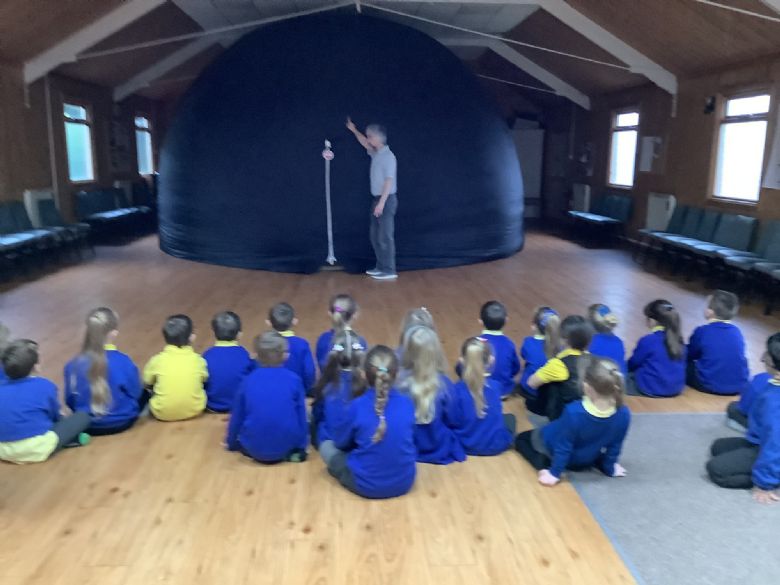
We have really enjoyed learning about Neil Armstrong and the first moon landing 1969. The children learnt many facts and enjoyed a trip to the plantarium.
Rocket building! Exploring space facts!
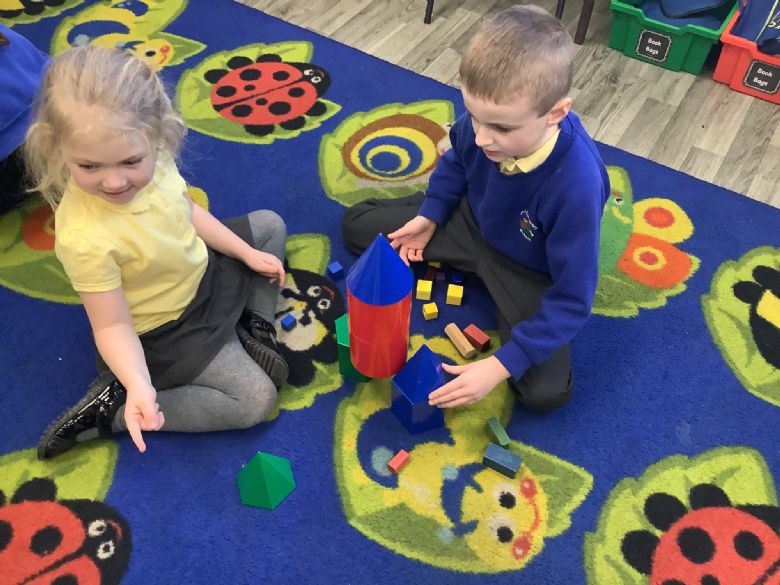
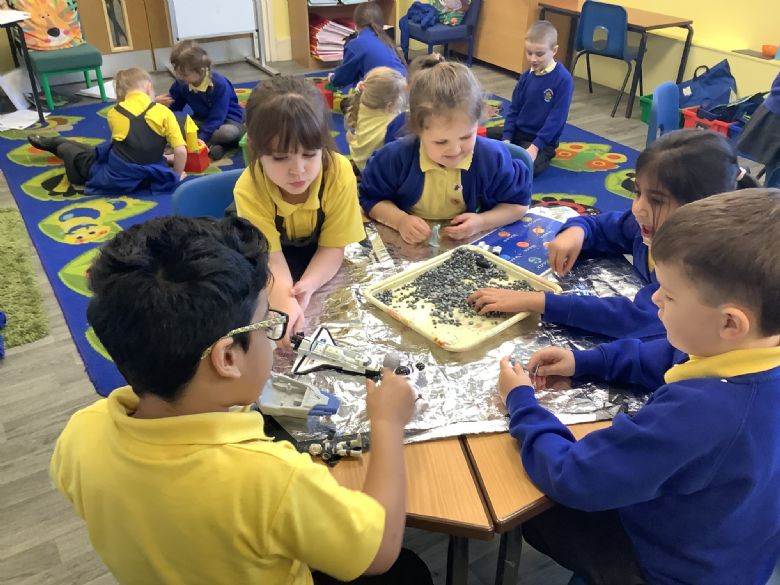
Space learning!
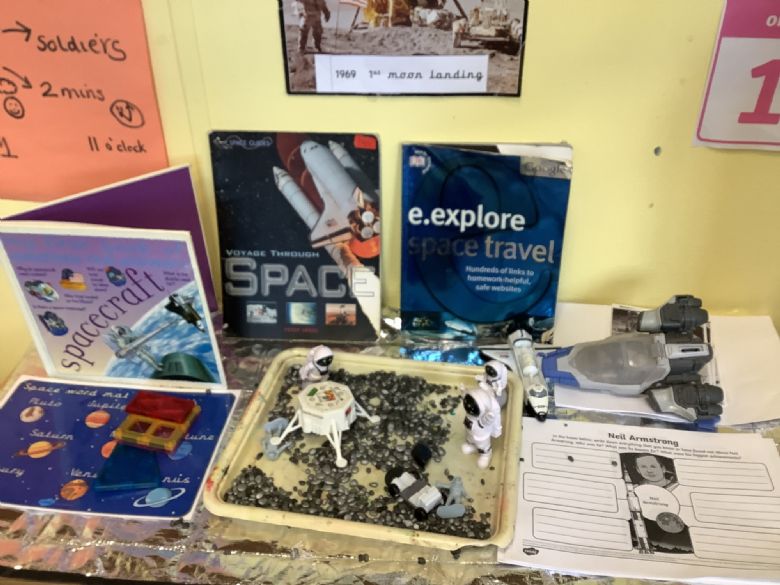
First Moon landing information!
Our trip to the Plantarium!